The Right to Science
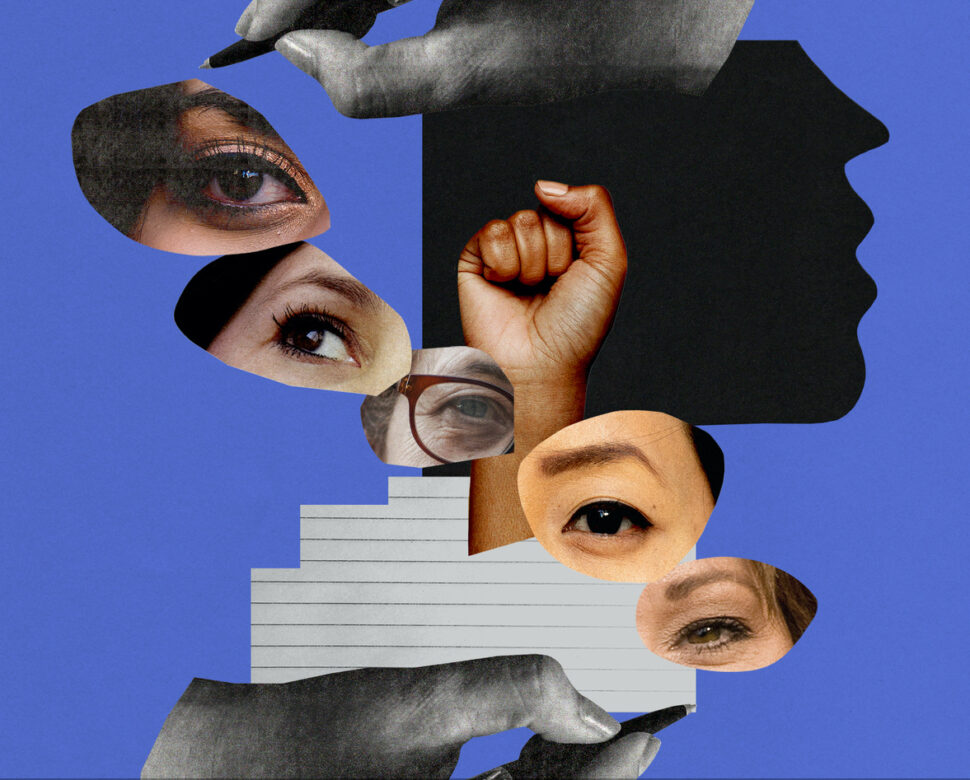
The theme of the second Dialogue, held in Geneva in April 2022, was the right to science. Although the fundamental right to science has been recognized in international law since 1948 and is enshrined in Article 27 of the Universal Declaration of Human Rights, it still does not receive sufficient attention. On the one hand, the right to science encompasses the protection of producers of scientific knowledge; on the other hand, it includes universal access to and use of the benefits of science. It is becoming increasingly evident that safeguarding the right to science is of growing importance in today’s world.
As the only specialized United Nations agency with a specific intergovernmental mandate for science (as reflected in the “S” of its acronym), UNESCO actively promotes scientific programmes and policies as platforms for development and cooperation. Within UNESCO, these programmes are led both by the Natural Sciences Sector and the Social and Human Sciences Sector (SHS), while maintaining cross-cutting relevance for the sectors of education, culture, and communication and information.
In seeking to strengthen international and national policy and regulatory frameworks so that scientific knowledge and its applications benefit humanity as a whole, UNESCO has adopted several important normative instruments since 2017, including the Recommendation on Science and Scientific Researchers, the Recommendation on Open Science, and the Recommendation on the Ethics of Artificial Intelligence. The Dialogue highlighted the links between human rights and the importance of an intersectoral and transdisciplinary approach.
1. Everyone has the right freely to participate in the cultural life of the community, to enjoy the arts and to share in scientific advancement and its benefits.
2. Everyone has the right to the protection of the moral and material interests resulting from any scientific, literary or artistic production of which he is the author.
Article 27 of the Universal Declaration of Human Rights

The event brought together representatives of the United Nations, NGOs, Special Rapporteurs, diplomats, academics, and representatives of the private sector in an open discussion structured around three segments:
- emerging issues and current challenges;
- existing human rights mechanisms;
- lessons learned from established partnerships.
The Dialogue was based on a background paper prepared in advance by the initiative’s partner group. A summary report, as well as an audiovisual report, are available below.
